
Specialists in providing solutions for institutions
Companies, work teams, and individuals
Executive coaching, leadership development and AI-powered training designed for modern organizations ready to grow sustainably.
We will help your team become a powerful engine of your company's growth.
Salespeople Preparation Program
Career Coaching
Mentorship Program for Trainers
Training ROI
Soft Skills can make a big difference
Whether you’re looking to upskill your team or advance your own career, our courses combine expert instruction, practical exercises, and up-to-date industry insights.
EXPLORE PROGRAMS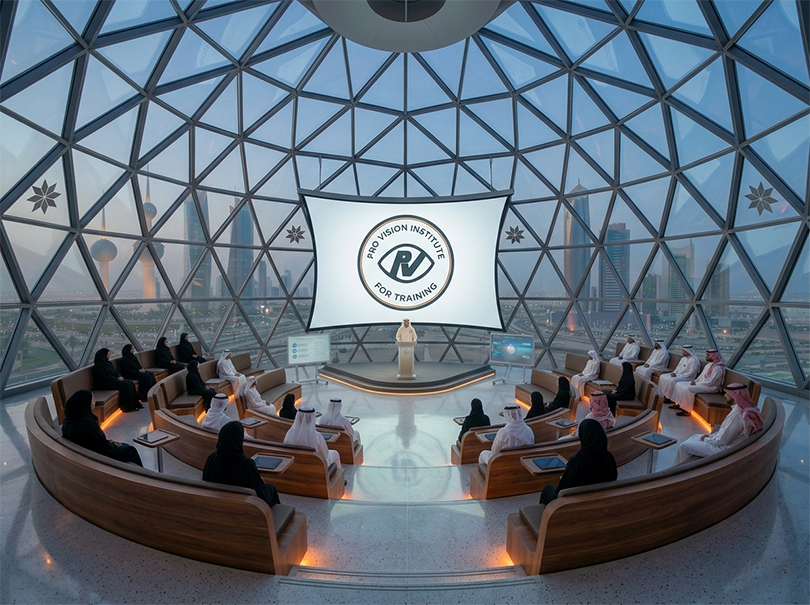
Key Benefits
for Teams & BusinessesCustomer Service
Customer service is the support a business provides to customers before, during, and after a purchase to ensure a positive experience. It involves clear communication, active listening, and problem-solving, often guided by principles from Customer Experience Management. Good customer service focuses on understanding customer needs and responding quickly and effectively.
Leadership Skills
Leadership skills are the abilities that help someone guide, influence, and support others toward achieving goals. They include clear communication, decision-making, and problem-solving, often supported by ideas from real leaders. Strong leaders show emotional intelligence, meaning they understand and manage their own emotions while responding well to others.
ADDIE Training Method
The ADDIE model is a structured framework used in Instructional Design to develop training programs. It includes five phases: Analysis, Design, Development, Implementation, and Evaluation. Each phase ensures the training is planned, created, and delivered effectively. The model focuses on meeting learner needs and achieving clear objectives. It also emphasizes continuous improvement through evaluation and feedback.
Selling Skills
Selling Skills are the abilities that help a person effectively identify customer needs, present products or services, and persuade buyers to make a purchase. They include communication, active listening, negotiation, product knowledge, and objection handling. Strong selling skills build trust with customers and improve sales performance and business success.
Work Values
Work Values are the beliefs and principles that guide a person’s behavior and decisions in the workplace. They reflect what an individual considers important in their job, such as integrity, responsibility, teamwork, respect, and job satisfaction. Strong work values help improve performance, shape professional behavior, and contribute to a positive and productive work environment.
Emotional Intelligence
Emotional Intelligence is the ability to understand, manage, and express one’s own emotions while also recognizing and influencing the emotions of others. It involves self-awareness, self-regulation, empathy, motivation, and social skills. High emotional intelligence helps improve communication, build stronger relationships, and make better decisions in both personal and professional life.
Business Etiquette
Business Etiquette refers to the accepted manners, behaviors, and professional conduct expected in the workplace and business interactions. It includes respectful communication, proper dress code, punctuality, meeting protocols, and courteous behavior with colleagues and clients. Good business etiquette helps build strong relationships, enhances professionalism, and creates a positive corporate image.
Professional Communication Skills
Professional Communication Skills refer to the ability to exchange information clearly, effectively, and appropriately in a workplace setting. They include verbal, non-verbal, and written communication, along with listening, clarity, and tone control. Strong professional communication helps build trust, improve teamwork, and ensure smooth coordination in business environments.
Learn more about our programs
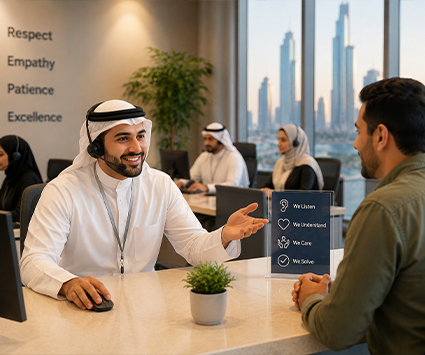
Customer Service
Overview:
Customer Service is a comprehensive program designed to equip participants with the skills and mindset required to deliver exceptional service experiences. It focuses on understanding customer expectations and building positive interactions and handling inquiries and complaints professionally. Through practical and interactive learning, participants develop the ability to create customer satisfaction and strengthen loyalty and represent the organization with excellence.
Course Objectives:
· Understand the principles of excellent customer service and its impact on organizational success
· Enhance communication and interpersonal skills when dealing with customers
· Develop the ability to handle customer inquiries and complaints effectively
· Build strong customer relationships that increase satisfaction and loyalty
· Improve problem solving and service recovery skills
Outline:
Pre-assessment
Introduction to Customer Service
· Importance of customer service in organizational success
· Customer expectations and service standards
Understanding Customer Needs
· Identifying customer expectations and preferences
· Delivering personalized service experiences
Effective Communication Skills
· Verbal and non verbal communication
· Active listening and clarity in responses
Building Customer Relationships
· Creating positive first impressions
· Maintaining long term relationships
Handling Complaints and Difficult Customers
· Understanding customer emotions
· Techniques for resolving complaints professionally
Problem Solving and Service Recovery
· Identifying service gaps
· Turning negative experiences into positive outcomes
Professionalism and Customer Experience
· Behavior and attitude in customer interactions
· Representing the organization positively
Managing Customer Expectations
· Setting realistic expectations
· Delivering consistent service quality
Stress Management in Customer Service
· Managing pressure in customer facing roles
· Maintaining a positive attitude
Post-assessment
Training Methodology:
· Brainstorming
· Groupwork
· Case studies
· Discussions
· Interactive exercises
· Role playing
· Practical situations
· Real life scenarios
· Feedback sessions
Target Audience:
Customer Service Representatives
Frontline Employees
Sales Staff
Call Center Agents
Supervisors

Soft Skills
Overview:
Soft Skills is a comprehensive program designed to enhance the interpersonal and behavioral skills required for success in today’s workplace. It focuses on communication, teamwork, adaptability, and professional conduct. Through interactive and practical learning, participants develop the ability to collaborate effectively, manage workplace challenges, and build strong professional relationships that contribute to personal and organizational success.
Course Objectives:
· Enhance communication and interpersonal skills in the workplace.
· Develop teamwork and collaboration capabilities.
· Improve adaptability and problem-solving skills.
· Strengthen emotional intelligence and self-awareness.
· Build professionalism and positive workplace behavior.
Outline:
Pre-assessment
Introduction to Soft Skills
· Importance of soft skills in professional success
· Difference between hard skills and soft skills
Effective Communication Skills
· Verbal and non-verbal communication
· Clarity, tone, and active listening
Interpersonal Skills and Relationship Building
· Building positive workplace relationships
· Respect, empathy, and collaboration
Teamwork and Collaboration
· Working effectively within teams
· Understanding roles and responsibilities
Emotional Intelligence
· Self-awareness and self-regulation
· Understanding others’ emotions
Problem-Solving and Critical Thinking
· Identifying problems effectively
· Structured approaches to solutions
Adaptability and Flexibility
· Managing change in the workplace
· Developing a growth mindset
Time Management and Productivity
· Prioritizing tasks and responsibilities
· Improving efficiency at work
Professionalism and Work Ethics
· Workplace behavior and etiquette
· Accountability and responsibility
Conflict Management
· Understanding workplace conflicts
· Resolving conflicts constructively
Post-assessment
Training Methodology:
· Brainstorming
· Groupwork
· Case studies
· Discussions
· Interactive exercises
· Role-playing
· Practical situations
· Reflection activities
· Real-life scenarios
· Feedback sessions
Target Audience:
Employees
Fresh Graduates
Team Members
Supervisors
Professionals in all fields

Selling Skills
Overview:
Selling Skills is a practical and results-driven program designed to equip participants with the essential knowledge, techniques, and confidence required to succeed in sales roles. The program focuses on understanding customer needs, building strong relationships, and applying effective selling strategies. Through real-life scenarios and interactive learning, participants develop the ability to influence customers, handle objections, and close sales successfully while maintaining long-term client relationships.
Course Objectives:
· Develop a strong understanding of the sales process and customer journey.
· Enhance communication and persuasion skills for effective selling.
· Improve the ability to identify customer needs and present suitable solutions.
· Build confidence in handling objections and closing deals.
· Strengthen relationship-building skills for long-term customer retention.
Outline:
Pre-assessment
Introduction to Sales and the Sales Process
· Overview of modern selling
· Stages of the sales cycle
Understanding Customer Needs
· Identifying customer pain points
· Asking effective questions
Communication and Persuasion Skills
· Building rapport with customers
· Influencing and persuading effectively
Product Knowledge and Value Proposition
· Presenting products and services clearly
· Communicating value and benefits
Consultative Selling Techniques
· Solution-based selling approach
· Matching products to customer needs
Handling Objections
· Common types of objections
· Techniques for overcoming resistance
Negotiation Skills in Sales
· Creating win-win outcomes
Closing Techniques
· Recognizing buying signals
· Effective closing strategies
Customer Relationship Management
· Building long-term relationships
· Maintaining customer satisfaction
Sales Performance and Follow-Up
· Post-sale follow-up techniques
· Measuring sales performance
Post-assessment
Training Methodology:
· Brainstorming
· Groupwork
· Case studies
· Discussions
· Interactive exercises
· Role-playing
· Practical situations
· Sales simulations
· Real-life scenarios
· Feedback sessions
Target Audience:
Sales Representatives
Customer Service Staff
Business Development Executives
Entrepreneurs
Marketing Professionals
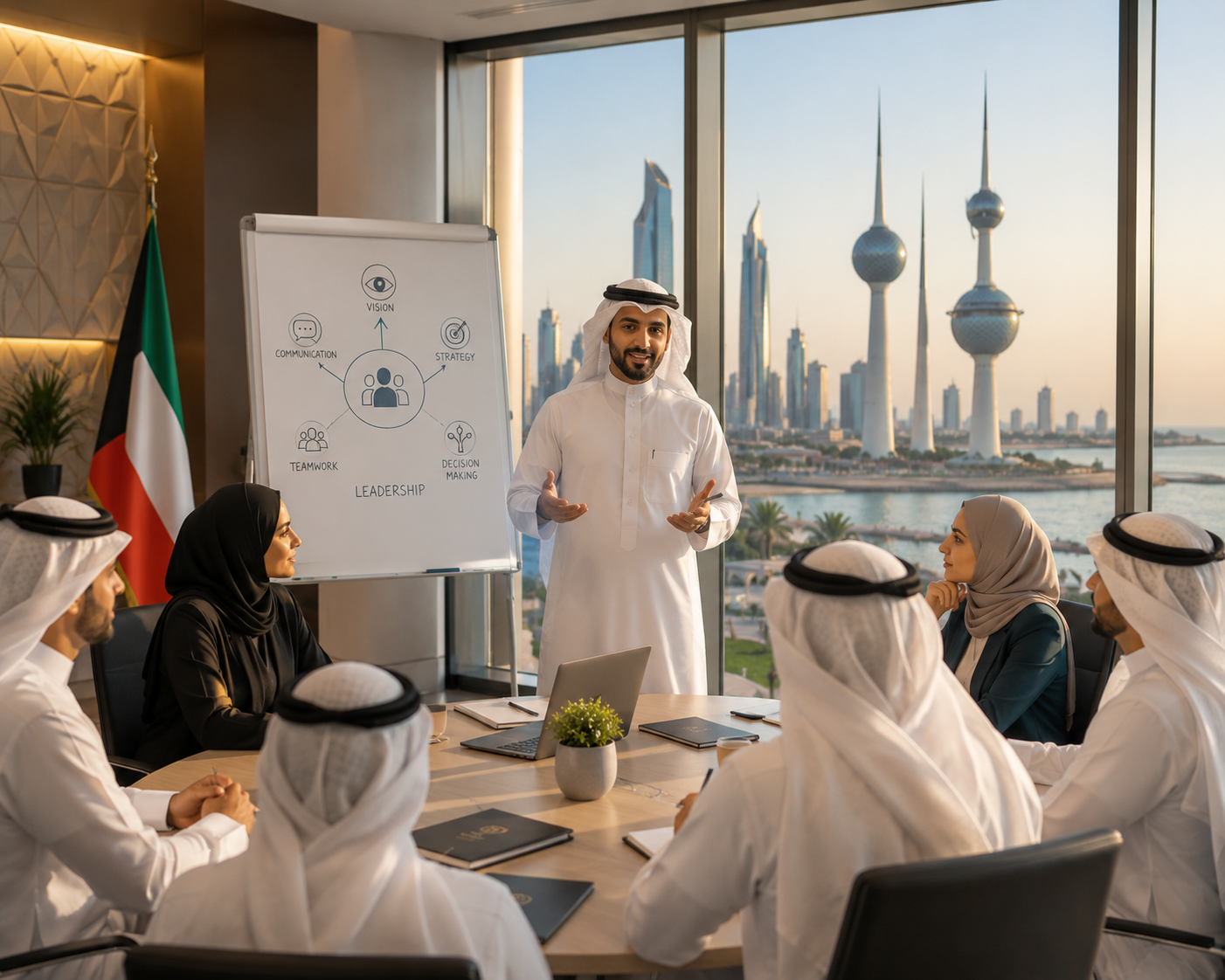
Leadership Development
Overview:
Leadership Development is a comprehensive program designed to build and enhance the capabilities of current and future leaders within organizations. It focuses on developing strategic thinking, decision-making, communication, and people management skills. Through practical tools and real-life applications, participants learn how to lead effectively, inspire teams, and drive organizational success in dynamic and challenging environments.
Course Objectives:
· Develop core leadership competencies for effective performance.
· Enhance strategic thinking and decision-making skills.
· Improve communication, influence, and interpersonal effectiveness.
· Strengthen the ability to lead and manage high-performing teams.
· Build adaptability and resilience in leadership roles.
Outline:
Pre-assessment
Introduction to Leadership
· Definition and importance of leadership in organizations
· Difference between leadership and management
Leadership Styles and Approaches
· Different leadership styles
· Choosing the appropriate leadership style
Self-Awareness and Emotional Intelligence
· Understanding personal leadership style
· Managing emotions and reactions
Strategic Thinking and Decision-Making
· Strategic thinking in the workplace
· Decision-making in different situations
Effective Communication and Influence
· Communicating with clarity and impact
· Influencing and persuading others
Team Leadership and Performance Management
· Building and leading high-performing teams
· Setting goals and managing performance
Coaching and Developing Others
· Coaching techniques for leaders
· Supporting employee development
Managing Change and Challenges
· Leading through change
· Handling uncertainty and pressure
Conflict Management and Problem Solving
· Addressing workplace conflicts
· Structured problem-solving approaches
Ethical Leadership and Accountability
· Leading with integrity
· Responsibility and accountability
Action Planning and Personal Leadership Development
· Creating a personal leadership development plan
· Applying leadership skills in the workplace
Post-assessment
Training Methodology:
· Brainstorming
· Groupwork
· Case studies
· Discussions
· Interactive exercises
· Role-playing
· Practical situations
· Leadership simulations
· Coaching sessions
· Reflective activities
Target Audience:
Supervisors
Team Leaders
Managers
Future Leaders
High-Potential Employees

Team Building Events
Overview:
Team Building Events are designed to strengthen relationships, improve collaboration, and enhance overall team performance within organizations. These events create engaging and interactive experiences that foster trust, communication, and a sense of belonging among team members. Through structured activities and guided facilitation, participants develop teamwork skills, align with organizational goals, and build a positive and productive work environment.
Course Objectives:
· Strengthen team cohesion and collaboration among employees.
· Improve communication and interpersonal relationships within teams.
· Build trust and mutual respect in the workplace.
· Enhance problem-solving and decision-making skills in group settings.
· Increase employee engagement and morale.
Outline:
Pre-assessment
Introduction to Team Building
· Importance of teamwork in organizational success
· Key principles of effective teams
Understanding Team Dynamics
· Roles and responsibilities within teams
· Strengths and diversity in team members
Communication and Collaboration Skills
· Effective communication techniques
· Active listening and feedback
Trust Building Activities
· Developing trust among team members
· Overcoming barriers to trust
Problem-Solving and Decision-Making
· Group problem-solving strategies
· Collaborative decision-making exercises
Conflict Management within Teams
· Identifying sources of conflict
· Managing and resolving disagreements positively
Leadership and Team Roles
· Leadership styles in teams
· Empowering team members
Engagement and Motivation Activities
· Boosting team morale
· Creating a positive team culture
Outdoor / Experiential Activities (if applicable)
· Interactive games and challenges
· Learning through experience
Action Planning and Reflection
· Lessons learned from activities
· Applying teamwork skills in the workplace
Post-assessment
Training Methodology:
· Brainstorming
· Groupwork
· Case studies
· Discussions
· Interactive exercises
· Role-playing
· Practical situations
· Games and simulations
· Experiential learning
· Debrief sessions
Target Audience:
Employees
Team Members
Supervisors
Team Leaders
Managers

Onboarding Coaching
Overview:
Onboarding Coaching is a structured program designed to support new employees during their transition into the organization. It focuses on accelerating adaptation, enhancing engagement, and building confidence from day one. Through guided coaching, participants gain clarity about their roles, understand organizational culture, and develop the skills needed to perform effectively. This program ensures a smooth integration process that improves retention, productivity, and overall employee experience.
Course Objectives:
· Facilitate a smooth and effective onboarding experience for new employees.
· Enhance understanding of organizational culture, values, and expectations.
· Build confidence and role clarity for improved job performance.
· Develop communication and interpersonal skills for workplace integration.
· Support early engagement and long-term employee retention.
Outline:
Pre-assessment
Introduction to Onboarding Coaching
· Importance of structured onboarding
· Role of coaching in employee integration
Understanding Organizational Culture
· Company values and vision
· Workplace expectations and behavior
Role Clarity and Performance Expectations
· Understanding job responsibilities
· Setting performance goals
Effective Workplace Communication
· Communication with managers and teams
· Asking questions and seeking feedback
Building Confidence and Engagement
· Overcoming first-day challenges
· Developing a proactive mindset
Relationship Building in the Workplace
· Networking within the organization
· Building trust with colleagues
Time Management and Productivity
· Prioritizing tasks effectively
· Managing workload in a new role
Adapting to Change and New Environments
· Handling uncertainty
· Developing flexibility and resilience
Continuous Feedback and Development
· Receiving and applying feedback
· Creating a personal development plan
Post-assessment
Training Methodology:
· Brainstorming
· Groupwork
· Case studies
· Discussions
· Interactive exercises
· Role-playing
· Practical situations
· Assignments
· Storytelling
· Debate
Target Audience:
New Employees
Fresh Graduates
Employees in New Roles
HR Professionals
Team Leaders


Services
We help organizations build the skills, leadership, and culture they need to grow.

Training Needs Analysis (TNA)
Training Needs Analysis is the process of identifying gaps between current performance and desired outcomes within an organization. It involves assessing employee skills, job requirements, and business goals to determine what training is necessary. By targeting real needs, it ensures effective learning solutions that improve performance and deliver measurable results.
Training, Coaching, Consulting and Mentoring
Training, coaching, consulting, and mentoring are professional development approaches that support individual and organizational growth in different ways. Training builds specific skills and knowledge, coaching focuses on performance improvement, consulting provides expert solutions, and mentoring offers long-term guidance and experience sharing. Together, they create a comprehensive framework for learning, problem-solving, and continuous development.

Physical, Online and Hybrid training
Physical, online, and hybrid training programs offer flexible learning options to suit different needs and environments. Physical training provides in-person interaction and hands-on experience, while online training enables remote access and convenience. Hybrid training combines both approaches, delivering a balanced, engaging, and accessible learning experience.

Team Performance and Evaluation
Team performance and evaluation is the process of measuring how effectively a group of employees works together to achieve shared goals. It looks at both individual contributions and overall team outcomes. It helps identify strengths such as collaboration, productivity, and communication, as well as areas that need improvement. Common methods include performance reviews, KPI's, feedback sessions, and project outcomes. Regular evaluation ensures that teams stay aligned with organizational objectives and maintain high standards of work. It also supports fair recognition, rewards, and professional development.
Workshops & Events

Customized Events
Customized events are tailored experiences designed to meet the specific goals, audience, and branding of a client or organization. They combine personalized themes, activities, and formats to create a unique and engaging experience. By aligning every detail with the client’s objectives, customized events deliver greater impact and memorable outcomes.

Business Conferences and Fairs
We organize business conferences, fairs and professional events where companies, industry experts, and stakeholders gather to share knowledge, showcase products, and explore opportunities. Conferences focus on learning through talks, panels, and networking, while fairs emphasize exhibitions and direct business interactions. These events help build connections, discover trends, and drive partnerships and growth.

Corporate Events
We organize corporate events and gatherings hosted by companies to achieve business goals such as networking, training, product launches, or team building. They can range from conferences and seminars to workshops, annual meetings, and celebrations. Well-planned corporate events strengthen relationships, enhance brand image, and support organizational growth.
Feedback from Our Clients
Thank you very much. May you be well, MR. Afif It was truly a very enriching and enjoyable evening, and we have missed such educational gatherings that we are accustomed to.

Our respected teacher, we are only beginners in the vast realm of knowledge, learning from you and your valuable insights. What we offer is merely a reflection of your patience and excellent facilitation of the session, which inspired us to contribute with this humble effort, hoping that Allah benefits us all with what we have learned.

Well done, our doctor. And thank you always for the valuable information and for bringing together such distinguished figures today—it was truly an honor to meet them all. Special thanks to the organizers for their excellent arrangements. Ms. Samah

Thank you, our esteemed trainer, for the valuable and enriching course, delivered with your usual outstanding performance


Frequently Asked Questions
We know you have questions, and we’re here to answer them. Here are some frequently asked questions about our services:.
Why would I choose Pro Vision?
Pro Vision Institute for Training is a premier provider of professional training and organizational development solutions, committed to elevating human capital and enabling sustainable growth. We specialize in designing and delivering high-impact training programs that empower individuals, strengthen organizational capabilities, and drive measurable performance outcomes.
What is your main strong point?
Are your certificates recognized by the local governmental bodies?
What is your target niche?
Meet The Team

Ayaa Alhamwe
Training Co-ordinator

Samah Sami
Operation Manager

Mohammad Afif Al Karfan
CEO

Ahmad AlRashed
PR and Sales Manager